
How To Care For Your Cashmere
Updated on February 23, 2026

Once you’ve experienced the featherlight, buttery-soft embrace of cashmere, there’s no unknowing that level of comfort. Cotton suddenly feels… basic. Wool? Itchy by comparison. And acrylic? Frankly, it’s just lying to everyone.
Cashmere, on the other hand, is the textile equivalent of first-class on a long-haul flight; elegant, indulgent, and absolutely worth it. But like all VIPs, it needs a little special treatment.
And before anyone asks: yes, I do know what I’m talking about.
I work in fashion and have spent years around textile professionals, learning from product people, fabric experts, and the kind of people who casually use words like micron and ply in conversation. I also personally own a lot of cashmere (possibly too much, depending on who you ask), and I have pieces that are almost 20 years old that still look beautiful because I care for them properly.
So if you’ve got cashmere and you’d like it to live a long, glamorous life, here’s how to do it.
Wait, What Is Cashmere Exactly?
It isn’t just “fancy wool.” It’s the ultra-soft undercoat from cashmere goats; real animals, not mythical creatures bred in boutique farms in the South of France (although that would be very on brand).
The best cashmere has historically come from the frosty regions of Mongolia, Nepal, and Tibet, where the goats grow long, insulating fibers to survive sub-zero winters. That soft fluff gets gently combed (not sheared), spun into yarn, and turned into the luxe knitwear we all know and love.
Today, China is the biggest player in the cashmere game (don’t roll your eyes) and many good quality garments come from Chinese mills at a much friendlier price point than their Himalayan cousins. It’s not about the stamp on the label; it’s about fiber length and micron count (yes, this is where luxury meets science).
So no, quality is not as simple as “country on the label = good or bad”. What really matters is the quality of the fibre and how the garment is made (we’ll get into how to evaluate quality in Part II, because yes, I have thoughts).
The Golden Rule of Cashmere Care: Don’t Over-Wash It
This is the biggest mistake people make. Cashmere does not need to be washed after every wear. In fact, over-washing is one of the fastest ways to shorten the life of your knitwear.
Unless you spilled something on it or got sweaty, you can usually get 3–4 wears before washing. Speaking of sweaty, a great way to extend the wear of your cashmere is to wear a base layer underneath your cashmere to absorb any sweat or natural oils from your skin. The base layer goes into the wash, and the cashmere stays fresher.
Between wears:
- Air it out overnight
- Fold it neatly (don’t drape it over a chair for a week and call that storage)
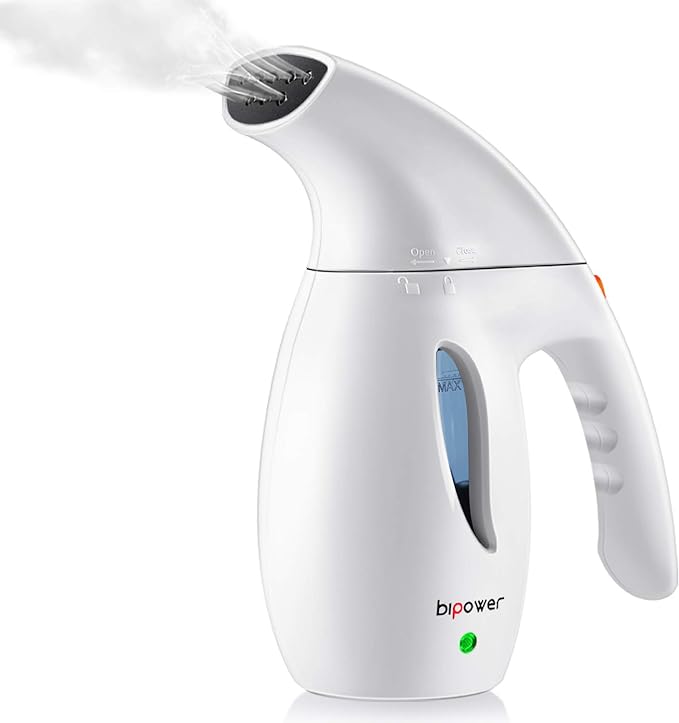
- Use a handheld steamer to freshen and relax the fibres if needed
A good steamer is actually one of my favourite tools for knitwear. It’s like a facial for your sweaters. Steaming knits freshens and fluffs the fibers, and can get rid of minor odours. A handheld steamer is a great investment. This is the one that I have and love click here. It’s “cheap & cheerful” and small enough that I can even travel with it. It also takes the wrinkles out of linen like a dream.
The Spa Treatment: Hand-Washing Your Cashmere
If you’ve got the time, hand-washing is the gold standard. Here’s the process:
- Fill a basin with lukewarm water. It is very important that the water is not hot.
- Add a capful of detergent made for delicates. Woolite Delicates and Forever New are great choices.
- Submerge the garment in the basin of water. Gently squeeze all over to work the suds through the fibers (remember, you’re cleansing not giving CPR).
- Let soak for about 5 minutes, then gently squeeze out the water. Do not wring it out like it’s a dishrag.
- Rinse with fresh cool water, repeating the gentle squeeze dance. Then rinse one more time, just to make sure.
- Roll the sweater in a dry towel, sort of like a cashmere sushi roll. Squeeze/press to remove excess water. No wringing!
Can You Machine-Wash Cashmere? Yes… Carefully.
This is my go-to for everyday pieces. And before the purists faint, hear me out. If your sweater is a standard knit, not super delicate, and not a sentimental “I will cry if this gets ruined” piece, machine washing can be totally fine, if you do it properly.
My machine-wash method:
- Turn the garment inside out
- Use a delicate detergent
- Wash on cold water
- Use the delicate/wool cycle
- Choose the shortest / gentlest spin possible
Extra caution (highly recommended):
- Use a mesh laundry bag, especially for finer knits
- Wash with other soft, lightweight items only (no jeans, no towels, nothing with zippers, etc)
If a piece is very delicate, embellished, unusually fine, or emotionally important to you, hand-wash instead.
Drying Cashmere Properly (This Part Matters A Lot)
This is where people accidentally ruin good sweaters.
Never:
- hang wet cashmere
- put it in the dryer
- dry it on a radiator
- blast it with heat
- leave it in direct sun
Wet cashmere is heavy and stretchy. If you hang it, gravity will absolutely ruin the shape.
What to do instead:
- Lay it flat on a dry towel
- Reshape it gently (sleeves, hem, shoulders)
- Let it dry naturally in a flat, undisturbed spot
- Be patient (24+ hours is normal, sometimes longer for thicker knits)
Cashmere is not fast fashion. She dries on her own timeline.
What About Dry Cleaning?
This is a great question because people assume cashmere automatic means dry cleaning. Not true. For most cashmere, dry cleaning is not necessary, and I actually prefer hand-washing long term because it’s gentler and helps preserve the feel of the fibre.
When I do dry clean cashmere:
- Very delicate pieces
- Pieces with embellishments (sequins, beading, trim)
- Structured or tricky pieces you can’t easily reshape/finish at home
- Anything that needs a perfectly smooth finish I can’t achieve myself
For example, I have a very fine knit cashmere scarf with sequins stitched onto it. I dry clean that one because I can’t properly press/smooth it myself without risking damage.
So my rule is:
- Everyday cashmere: hand wash (or careful machine wash)
- Special/problematic cashmere: dry clean when needed
The Magic of the Cashmere Comb
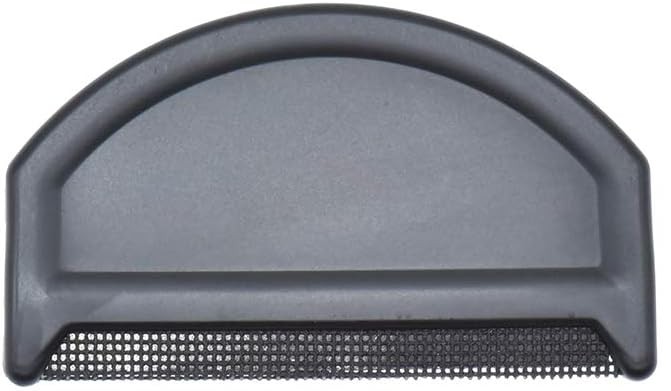
Even the best cashmere will pill. It’s not a flaw, it’s a sign that its been well loved. Friction causes those tiny little balls of fuzz, especially under the arms or at the sides. Enter: the humble cashmere comb. This little wonder tool removes those fuzzy balls and brings your knit back to its polished self. Here’s the style of comb that I use.
How to use:
Lay your dry garment out on a flat surface. Hold one end firmly, and gently drag the comb across the surface of the cashmere on a 35 degree angle.
You’ll be amazed (and slightly horrified) by the fluff you collect. It’s oddly satisfying. Pull the fluff off your comb as you go.
Repeat as needed. If you’re feeling extra, an electric fabric shaver works too, but the comb is cheaper, more travel-friendly, and frankly, more therapeutic. Also, I find the comb grooms the fibers and fluffs them up a bit, giving your garment a fresher appearance.
Bonus Tips From One Cashmere Lover To Another:
- Storage: always fold, never hang. Hangers can stretch and deform the shoulders. If you are determined to hang your sweaters, here’s a video showing you how to fold your sweater on a hanger to help prevent stretching.
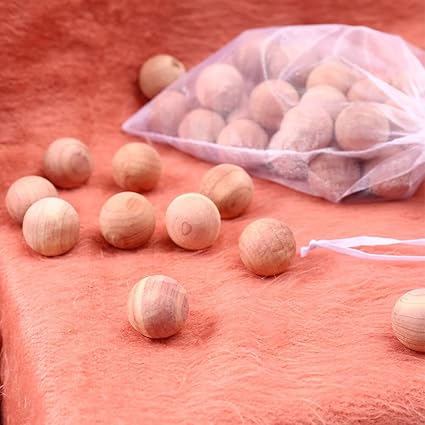
- Moth prevention: moths love cashmere almost as much as we do. Use lavender sachets or cedar blocks/balls in your drawers or on your shelves to help repel moths.
The Bottom Line:
Cashmere is an indulgence, yes. But it’s also a worthy investment; timeless, elegant, and built to last… if you treat it right. With just a little TLC, your cashmere can stay gorgeous for years to come.
Think of it like skincare, but for your closet. A little attention goes a long way, and your future self will thank you when you pull out your favorite sweater next fall and it still looks (and feels) like a dream.
And if you’re wondering, “Okay, but how do I know what’s actually worth buying in the first place?” , that’s exactly what I’m covering in Part II! I’ll be breaking down what I look for in quality cashmere, how to shop smarter (without getting sucked into overpriced nonsense), and a few brands worth checking out for quality cashmere at more affordable prices.
Disclosure: This post may contain affiliate links. If you click through and make a purchase, I may receive a small commission at no cost to you. Thank you for supporting this blog!
Share this post with a friend:
Copy LinkLink copied!